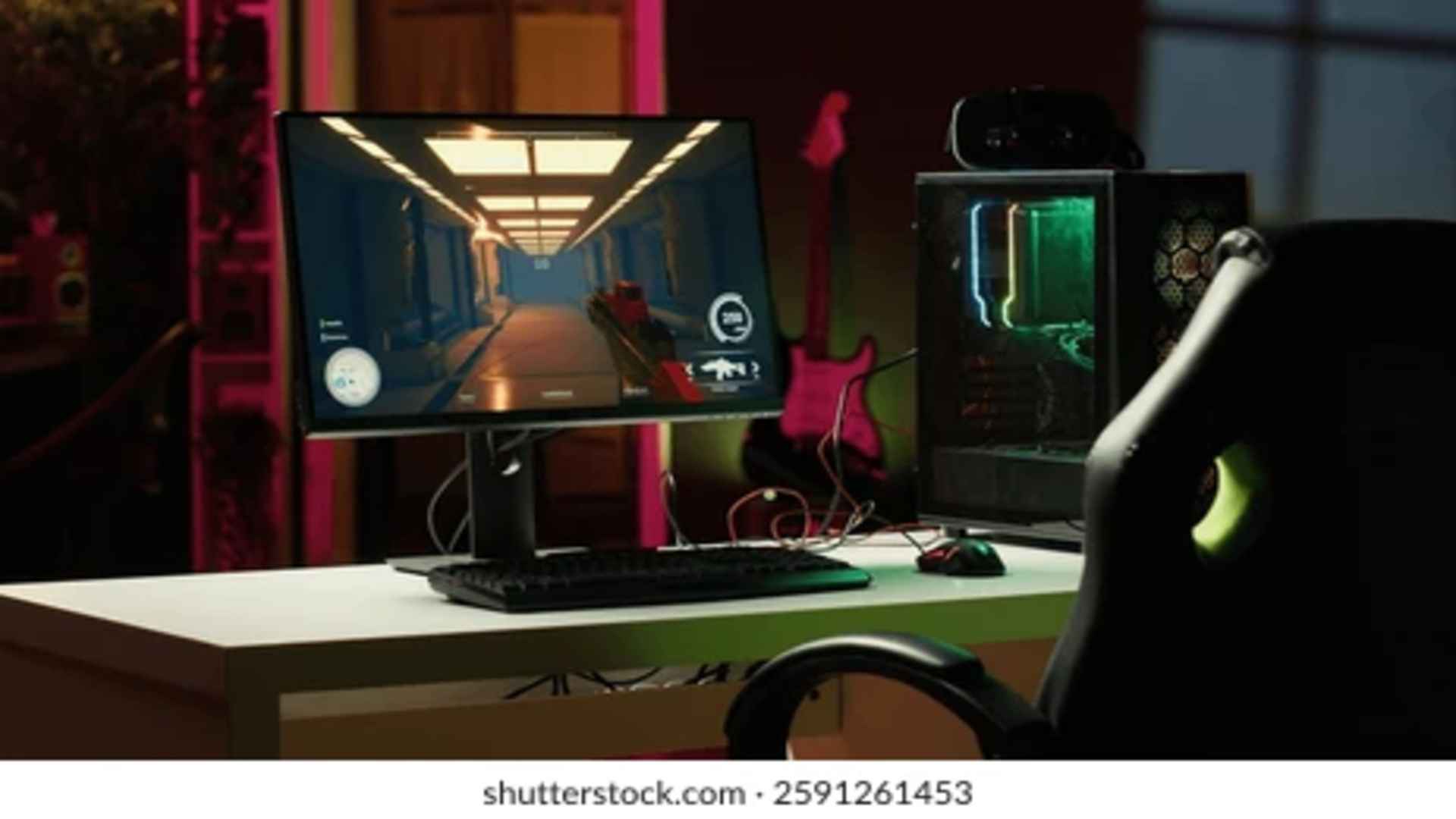
Sharing your favorite Nintendo Switch adventures with an audience requires a reliable hardware setup to ensure smooth visuals and minimal delay. While the hybrid console delivers exceptional gameplay on its own screen, broadcasting to platforms like Twitch or YouTube necessitates an external device to process the video signal. Finding the right gear involves balancing passthrough performance, software compatibility, and hardware limitations like the necessity of a docked console configuration.
Premium Performance for Professional Broadcasting
For creators aiming to deliver the highest possible quality, advanced external devices offer robust features that handle modern stream demands easily. The Elgato 4K X stands out as a top-tier choice that provides incredible flexibility for creators who also play on newer platforms. It supports high refresh rates and ultra-high-definition passthrough, ensuring that your local display remains pristine while your streaming software receives a flawless 1080p feed.
Investing in high-end hardware ensures that your setup remains future-proof as hardware generations evolve. These devices typically utilize modern USB connectivity to reduce latency, making real-time interactions with your chat much more seamless. They also integrate perfectly with popular software suites like OBS Studio right out of the box.
Balanced and Budget Friendly Alternatives
Not every streamer needs to spend hundreds of dollars to achieve a clean and stable presentation for their viewers. Hardware like the Streamplify Capture 4K provides a highly competent alternative that delivers crisp high-definition recording without breaking the bank. These mid-range options focus heavily on the stable 1080p resolution at 60 frames per second that matches the maximum output of the hybrid console.
Opting for a value-focused card allows new broadcasters to allocate more of their budget toward vital equipment like microphones and lighting. Many of these modern budget units feature plug-and-play designs that do not require complex driver installations. They offer a straightforward entry point for anyone starting their content creation journey.
Crucial Setup Requirements and Technical Insights
Successfully broadcasting console gameplay involves understanding how your hardware interacts with your computer and monitor. The system must be placed securely in its official docking station because the handheld tablet layout lacks an HDMI output interface. The video signal travels from the dock into the capture card input before reaching your external television or display screen.
Ensuring that your streaming PC possesses adequate system memory and a capable processor prevents encoding bottlenecks during intense gameplay segments. Most modern systems recommend a minimum of 16 gigabytes of RAM to handle broadcasting tools smoothly alongside your operating system. Proper cable management and using high-quality HDMI cables also help prevent sudden signal dropouts mid-stream.