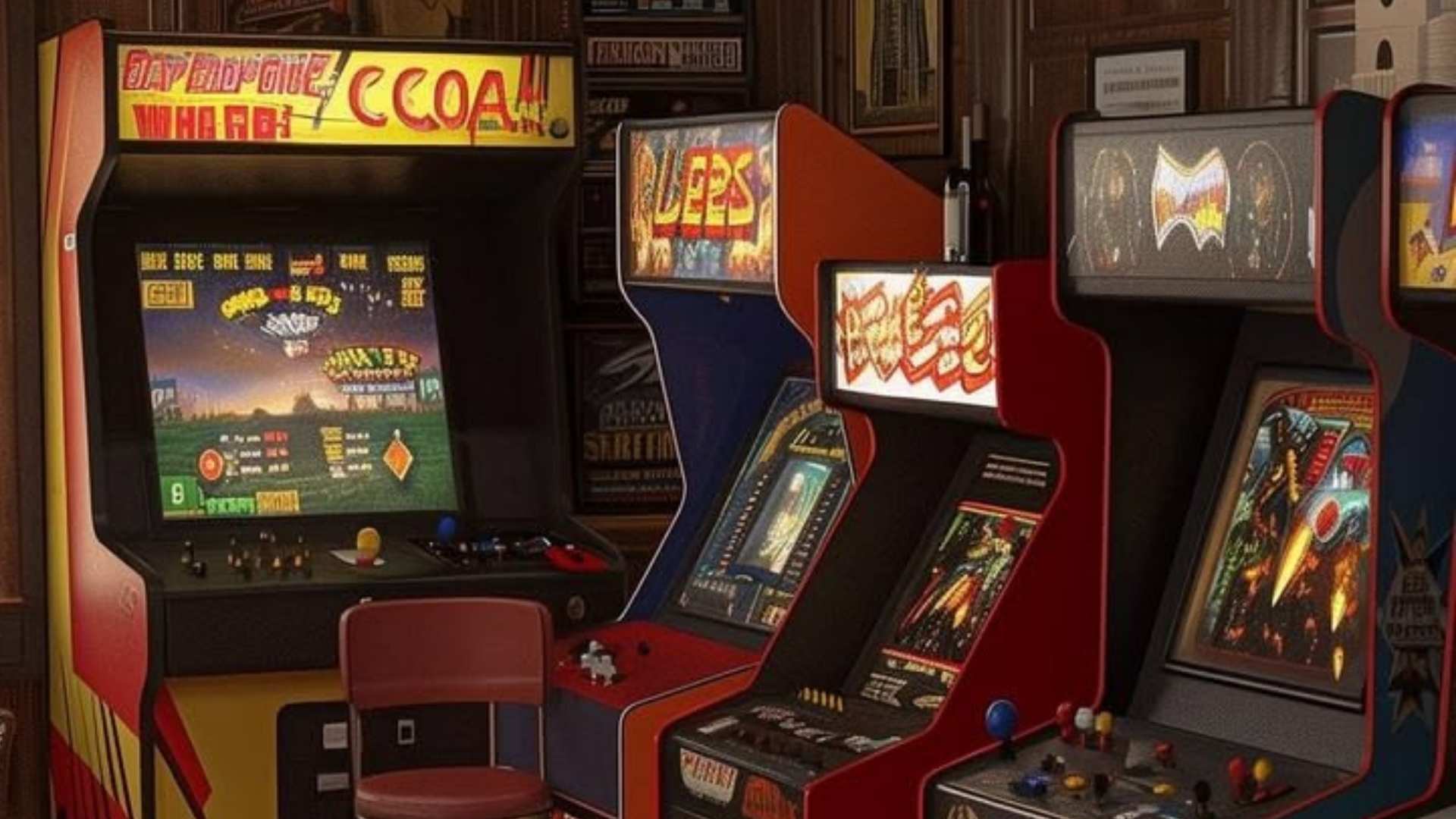
The landscape of modern digital entertainment has experienced a profound shift over the past decade, moving away from solitary achievements toward deeply integrated cooperative frameworks. Developers are increasingly creating sophisticated virtual environments where player choices directly transform the shared digital ecosystem. Multiplayer games with interactive victory campaigns have emerged as a dominant trend, combining complex strategic matchmaking with evolving post-game milestones that keep communities engaged for the long run.
The Evolution of Shared Triumphs
Traditional online gaming environments often concluded with a simple victory screen that offered very little impact on the broader fictional world. Modern development methodologies allow studios to build interconnected narrative arcs that respond dynamically to collective community achievements across the entire globe. These dynamic structures turn standard competitive matches into deeply meaningful journeys where every successful mission carries visible consequences.
By granting players greater agency over how a storyline unfolds, developers can maintain high user retention levels over extensive periods. This innovative approach effectively bridges the gap between deep single-player storytelling and massive multiplayer connectivity. Communities thrive around these virtual worlds because their collective efforts actively alter the map and gameplay mechanics for everyone involved.
Fostering Advanced Team Coordination
Succeeding in these collaborative campaign systems requires an exceptional degree of mutual trust, coordinated planning, and rapid environmental adaptation. Participants must align their individual capabilities, manage intricate in-game resources, and communicate instantaneously to overcome sophisticated artificial intelligence. This precise balance of skill development and collective problem-solving keeps the tactical experience consistently fresh and rewarding.
To follow how these organized environments are shaping the future of competitive gaming, enthusiasts can look at specialized platforms. Engaging with modern hubs like M88 esports provides valuable insights into how structured tournament models and community events operate. Keeping track of these ecosystems helps teams refine their personal playstyles and prepare for high-stakes digital athletic events.
Dynamic Milestones and Live Events
One of the most effective strategies developers use to maintain long-term engagement is the implementation of recurring calendar incentives. Interactive victory milestones are regularly paired with limited-time thematic celebrations that offer exclusive character upgrades and unique seasonal rewards. These periodic updates ensure that the digital universe remains vibrant, giving players new reasons to log in every single day.
As the global community reaches specific milestones, servers frequently unlock entirely new regions, complex missions, or progression mechanics. This continuous cycle of live service updates prevents the core gameplay loop from becoming static or predictable after hundreds of hours. Elite competitors are consistently driven to discover new strategies to stay ahead on public leaderboards.
The Future of Connected Realities
As network infrastructure continues to improve worldwide, the scope of these persistent virtual worlds will expand dramatically. Future titles will likely feature highly responsive ecosystems where automated systems adjust difficulties based on real-time community data. This evolution will establish a sustainable gaming environment where players feel a genuine sense of ownership over their shared digital accomplishments.