In the modern world of sports and professional gaming, mental conditioning has become just as critical as physical training. While many competitors spend hours on drills and reaction times, top performers often look for alternative ways to sharpen their strategic minds away from their primary disciplines. Table games have emerged as an exceptional tool for this purpose, offering a low-stress yet highly stimulating environment to practice critical decision-making under pressure.
Cultivating Strategic Foresight Through Chess
Chess stands out as the ultimate arena for practicing long-term planning and anticipation. Every move on the board requires players to calculate multiple steps ahead while simultaneously deciphering the subtle intentions of their opponent. This intense mental workout helps individuals develop the cognitive flexibility needed to adapt to rapidly changing situations in actual competitions.
Furthermore, chess teaches the invaluable lesson of patience and emotional discipline during high-stakes moments. By learning to manage cognitive fatigue over extended playing sessions, athletes can maintain peak focus when it matters most. Integrating this traditional tabletop game into weekly training routines provides a structured yet engaging way to build superior mental stamina.
Developing Risk Assessment Skills via Poker
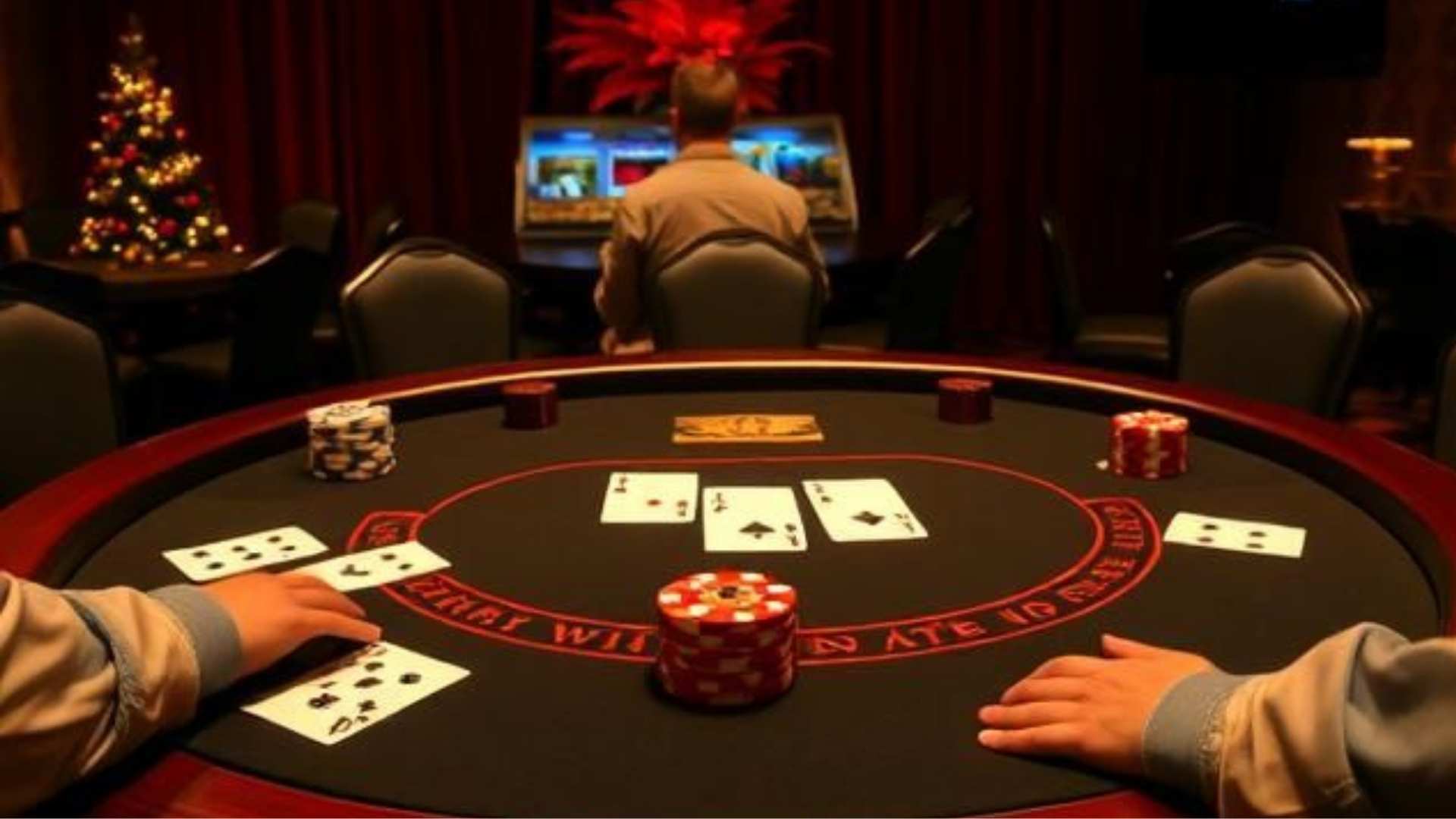
Unlike games of perfect information, card games like poker simulate the unpredictable and incomplete data environments often found in real-world sports. Players are forced to make rapid, mathematically sound decisions based on risk assessment, probability, and psychological observation. This process trains the brain to weigh potential outcomes objectively rather than relying on emotional impulses.
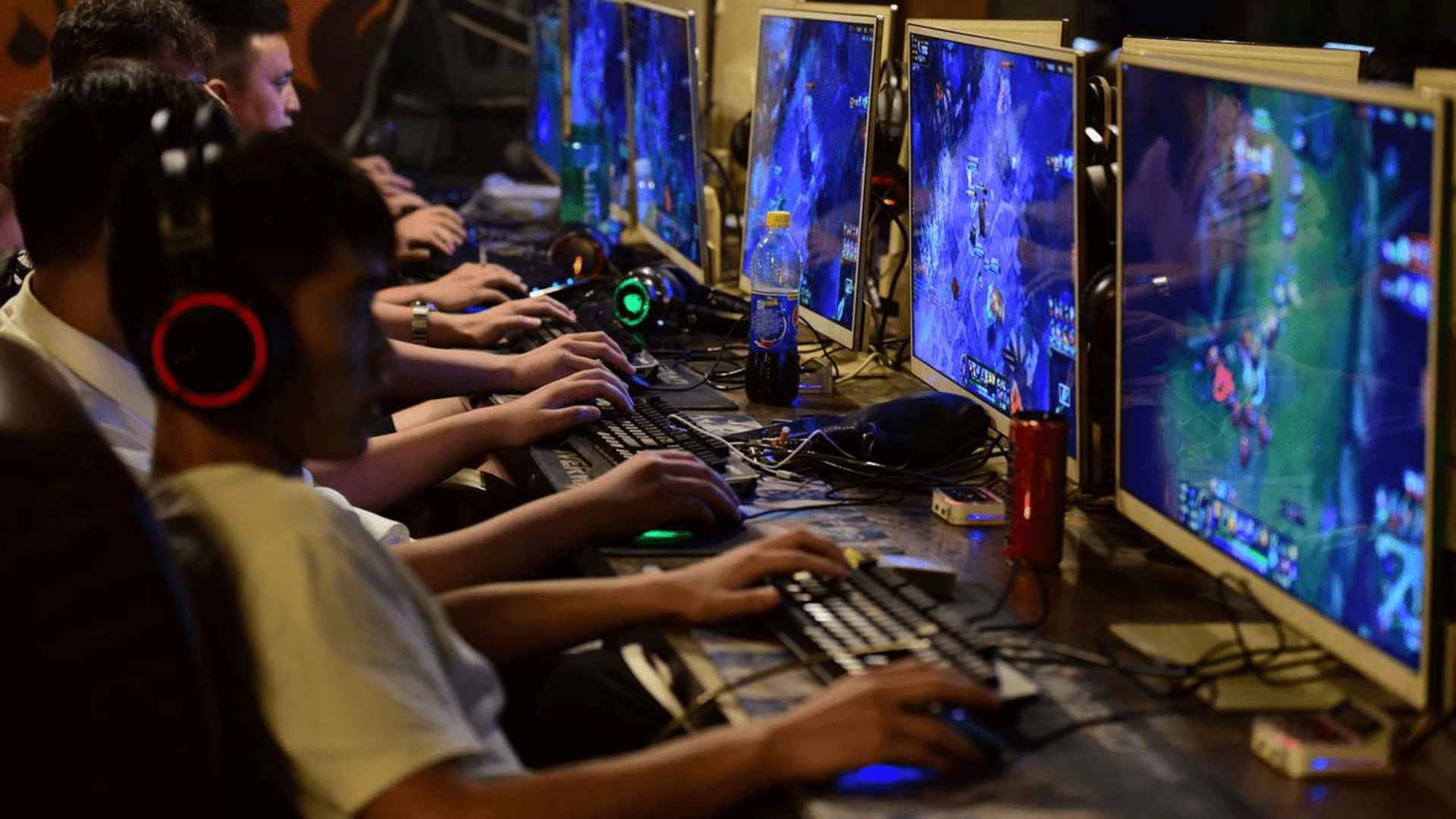
This acute sense of calculated risk-taking is highly transferable to modern competitive fields, including the fast-paced world of digital athletics. For those interested in exploring how these strategic frameworks are applied to digital tournaments, visiting M88 esports can provide excellent context on structured, professional-level gaming environments. Learning when to press an advantage and when to fold is a universal skill that separates top-tier competitors from the rest.
Enhancing Quick Tactical Adaptability with Dominoes
Dominoes and other rapid tile-matching games offer unique benefits for developing quick tactical execution and pattern recognition. The fast pace of play requires participants to calculate remaining variables instantly while tracking opponents' potential hands. This rapid cycle of analysis and action helps streamline the brain's processing speed under strict time constraints.
Additionally, playing in partnership formats teaches essential communication and synchronization skills without the need for verbal cues. Competitors learn to read subtle clues and align their strategies seamlessly to achieve a common goal. This silent coordination is highly beneficial for team-based sports where split-second collective decisions determine victory.